A Masterclass in Comfort |
The scent of hickory smoke and bubbling Gruyère first hit me during a rainy autumn trip to a small smokehouse in the Lowcountry of South Carolina. There was a specific sound—the heavy clink of a cast-iron skillet meeting a wooden table—that signaled the arrival of a dish so decadent it felt like a culinary embrace. That singular experience redefined my understanding of how contrasting textures can harmonize in a single pan.
My fascination began at that roadside market, where the locals treated BBQ not as a meal, but as a ritual. I remember watching the pitmaster fold tender, slow-cooked pork into a thick, velvety cheese sauce, creating a synergy of sweet, salty, and creamy notes. It was a revelation that prompted me to refine the proportions in my own kitchen to ensure the pork remained the star without overwhelming the pasta.
- ●Deeply satisfying contrast between smoky BBQ pork and creamy melted cheese.
- ●Single-pan convenience makes cleanup effortless for busy weeknights.
- ●High protein content from the slow-roasted pork keeps you full longer.
- ●Customizable spice levels allow you to tailor the heat to your family’s preference.
- ●Perfect for meal prep as the flavors intensify after a day in the fridge.
Essential Ingredients |
Pulled Pork: High-quality slow-cooked shoulder is essential; avoid the pre-shredded vacuum packs if possible for better texture. Skipping this removes the smoky heart of the dish.
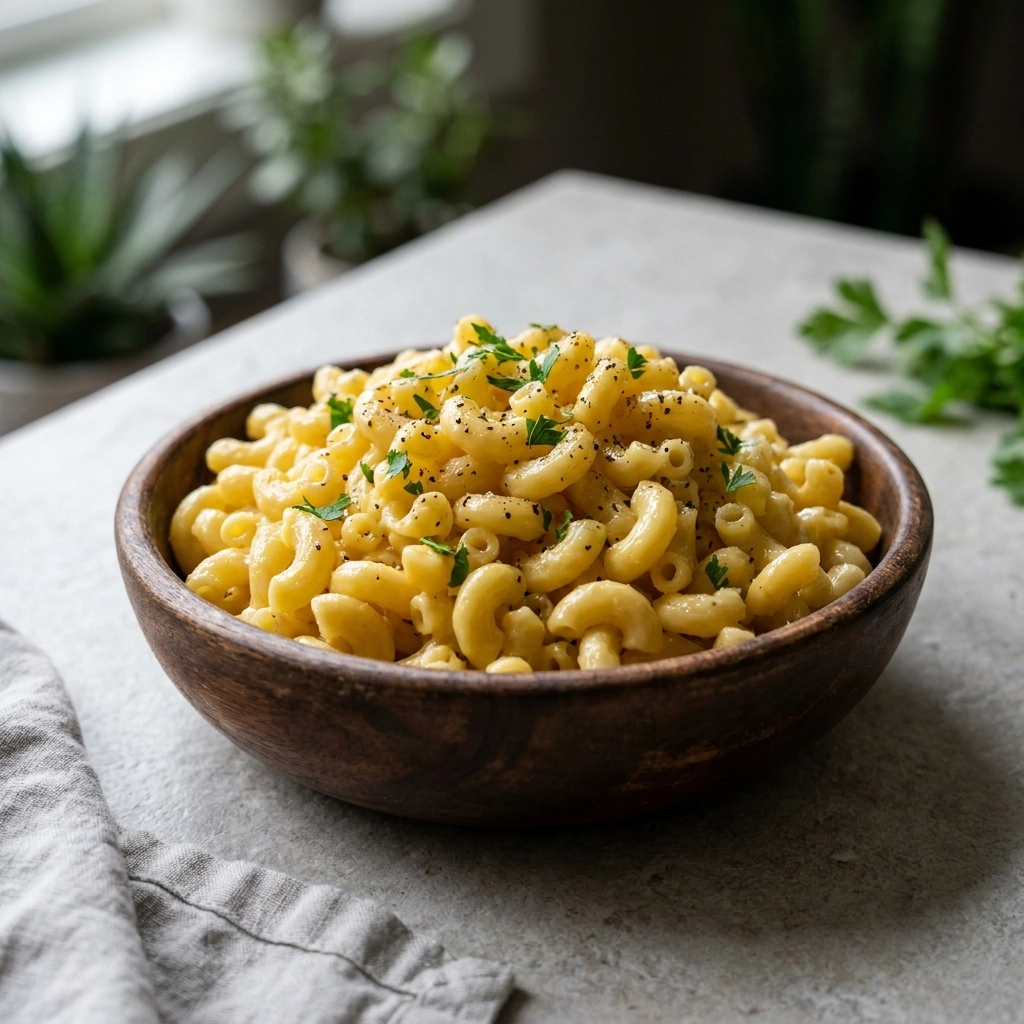
Cavatappi Pasta: I prefer this spiral shape because the ridges capture the cheese sauce more efficiently than elbows. Using a smooth pasta leads to a slippery, less cohesive casserole.
Sharp Cheddar: Aged white cheddar provides the necessary acidic bite to cut through the richness. Without it, the dish tastes flat and overly buttery.
Gruyère: This Swiss cheese is the secret to that professional, stretchy pull and nutty depth. Omitting this results in a loss of sophisticated flavor profiles.
Whole Milk: Full-fat milk ensures a stable emulsion that won’t break under oven heat. Low-fat versions often cause the sauce to separate or become grainy.
Unsalted Butter: Using a high-fat European style butter adds a subtle creaminess. Skipping it means your roux won’t have the structural integrity to thicken the sauce.
BBQ Sauce: A molasses-based sauce offers the best sweetness-to-tang ratio. Without it, the pork lacks the signature glisten and depth of flavor.
 Let’s Make it Together |
- Start oven to 350°F and greasing a 9×13 inch baking dish so nothing sticks to the corners.
- Get your pasta boiling in salted water, but pull it out about two minutes before the package says it’s done—we want it al dente because it will finish cooking in the oven.
- Melt your butter in a heavy pot over medium heat, then whisk in the flour to create a light blond roux that smells slightly nutty.
- Slowly pour in the milk while whisking constantly; just keep at it until the sauce thickens and coats the back of your spoon.
- Turn the heat to low and fold in your shredded cheeses one handful at a time, stirring gently until the mixture is completely smooth and glossy.
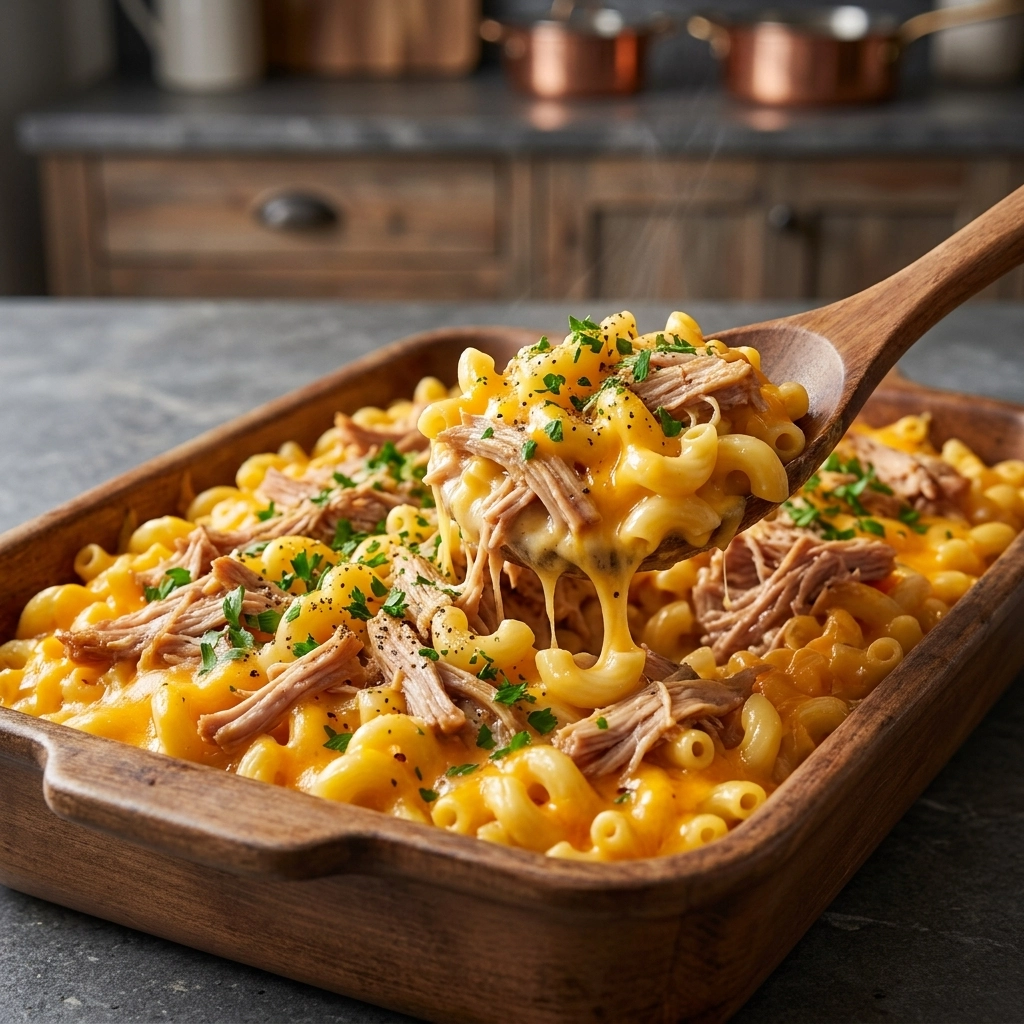
- Toss your cooked pasta and the warm pulled pork into the cheese sauce, making sure every single noodle is draped in that liquid gold.
- Pour the mixture into your prepared dish and sprinkle a final layer of cheddar on top for that golden-brown crust.
- Slide it into the oven for about 20 minutes, or until the edges are bubbling and the top is perfectly browned.
Never overcook the pasta during the boiling stage or it will turn to mush in the oven.
Use a handheld grater for your cheese because pre-shredded bags contain cornstarch that prevents smooth melting.
Ensure your pork is already warm before adding it to the sauce to maintain a consistent temperature.
Avoid using a sauce that is too watery or the casserole will puddle at the bottom.
Let the dish rest for ten minutes after baking to allow the sauce to set properly.
Perfecting the Cooking Process |
The science of this dish relies on the emulsion of the béchamel. By maintaining a steady temperature of 175°F to 185°F while adding cheese, you prevent the fats from separating, which ensures a velvet-like texture. If the heat is too high, the cheese proteins will tighten and squeeze out the oil, leaving you with a greasy mess instead of a creamy sauce.
Timing is equally critical. The pasta is intentionally undercooked to account for the ‘carry-over’ cooking that happens in the oven. exactly 350°F, we achieve the Maillard reaction on the cheese topping—creating those savory brown spots—without drying out the interior pork.
It is a delicate balance of moisture.
Add Your Touch |
For a spicy kick, fold in diced pickled jalapeños or a tablespoon of chipotle peppers in adobo sauce during the cheese-melting phase. This adds a smoky heat that complements the BBQ sweetness perfectly.
If you prefer a crunchier topping, mix panko breadcrumbs with melted butter and a pinch of smoked paprika. Spread this over the cheese before baking for a professional-grade textural contrast.
Storing & Reheating |
Store leftovers in an airtight container in the refrigerator for up to four days. Because the sauce is dairy-heavy, make sure it is completely cooled before sealing to avoid condensation buildup.
To reheat, avoid the microwave if possible as it can make the pork rubbery. Instead, place a portion in an oven-safe dish, add a splash of milk to loosen the sauce, and bake at 325°F until warmed through.
1Season your pasta water until it tastes like the sea to enhance the noodle flavor.
2Squeeze a bit of fresh lemon juice into the sauce to brighten the heavy fats.
3Use a silicone spatula to fold the pork in gently to avoid breaking the pasta spirals.
4Always taste your BBQ sauce first; if it is too sweet, add a drop of apple cider vinegar.
5Warm your baking dish slightly in the oven to prevent the sauce from cooling too quickly during the transfer.
FAQ |
- ●Q: Can I use a different type of meat instead of pork?
A: Absolutely, though the flavor profile will change. Shredded chicken or beef brisket works wonderfully, provided you toss the meat in a similar BBQ sauce first to maintain that signature smoky-sweet contrast that defines the dish. - ●Q: How do I stop the mac and cheese from becoming oily?
A: The key is to use a roux and avoid overheating the cheese. flour and butter first, you create a stabilizer that holds the fat in place, and on low heat, you prevent the oils from breaking. - ●Q: Which BBQ sauce works best for this recipe?
A: I recommend a thick, Kansas City-style sauce because its higher sugar content caramelizes beautifully in the oven. Avoid thin, vinegary sauces as they can break the cheese emulsion and make the casserole too runny. - ●Q: Can I make this recipe in a slow cooker?
A: While you can slow-cook the pork, the final assembly should happen in the oven. Cooking pasta in a slow cooker often results in an overcooked, gummy texture that lacks the structural integrity needed for a proper casserole.
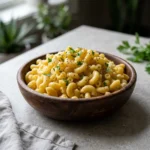
Pulled Pork Mac and Cheese Casserole: The Ultimate Comfort Food Dinner
- Total Time: 50 minutes
- Yield: 6 servings 1x
Description
A decadent fusion of slow-cooked BBQ pulled pork and a creamy four-cheese macaroni sauce, baked to golden perfection.
Ingredients
- 1 lb Cavatappi pasta
- 3 cups shredded pulled pork
- 1/2 cup unsalted butter
- 1/2 cup all-purpose flour
- 3 cups whole milk
- 2 cups sharp cheddar, shredded
- 1 cup Gruyère, shredded
- 1/2 cup BBQ sauce
- Salt and black pepper to taste
Instructions
- Preheat oven to 350°F and grease a 9×13 baking dish.
- Boil pasta for 2 minutes less than package directions; drain.
- Melt butter in a pot, whisk in flour for 1-2 minutes.
- Slowly whisk in milk until thickened.
- Stir in cheddar and Gruyère until smooth.
- Fold in pasta and pulled pork mixed with BBQ sauce.
- Pour into dish and top with extra cheese.
- Bake for 20 minutes until golden brown.
- Prep Time: 20 minutes
- Cook Time: 30 minutes
- Category: Dinner
- Method: Baking
- Cuisine: American