The Quest for the Perfect Bowl |
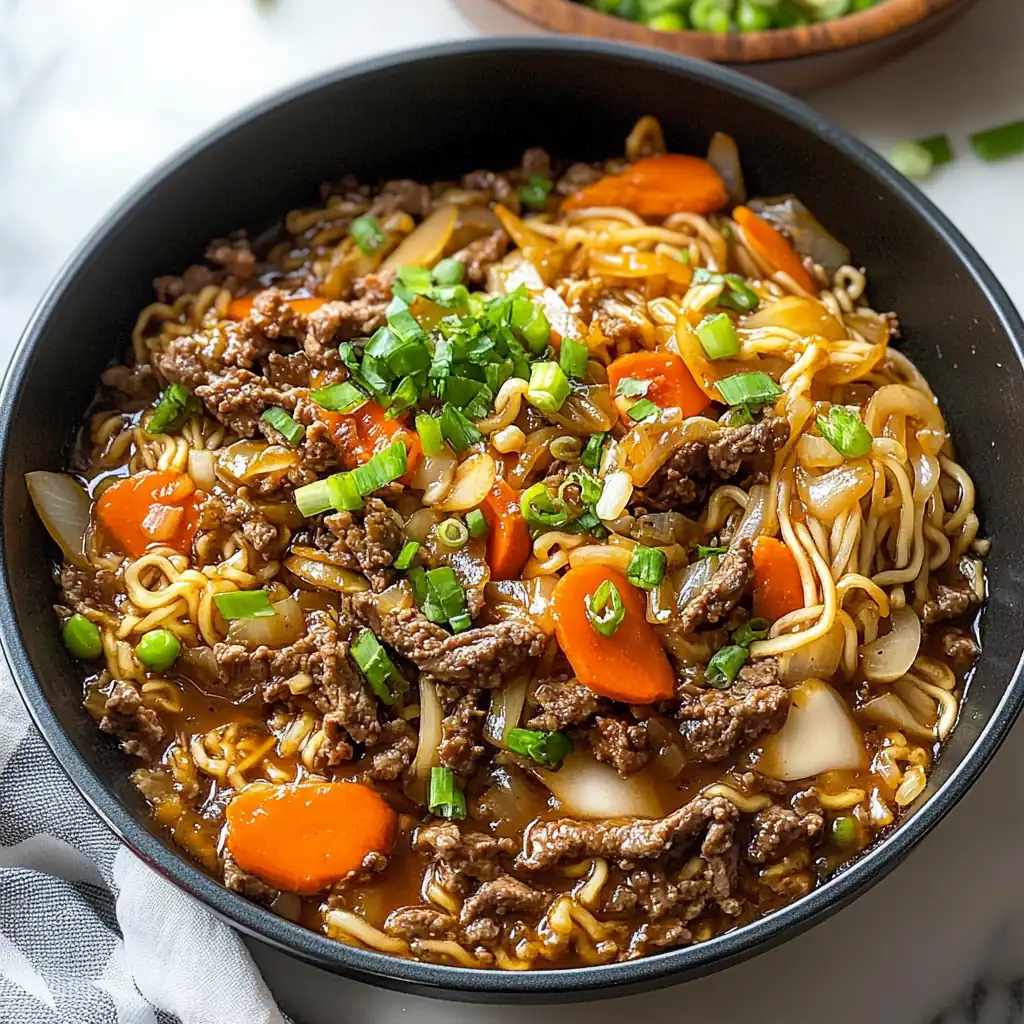
Rainy Tuesday evenings in November always trigger a specific, deep-seated craving for something that tastes like a warm hug. I spent years hunting for a balance between the instant-noodle convenience we all love and the complex, layered depths of a traditional Japanese tonkotsu, eventually landing on this beef-centric hybrid.
Imagine the steam rising from a heavy ceramic bowl while the wind howls outside your window, creating a sanctuary of salt, fat, and warmth. This specific iteration focuses on a rich, brown-butter beef base that elevates a simple meal into a culinary event, proving that comfort food doesn’t have to be basic to be satisfying.
- ●The broth utilizes a double-sear technique on the beef. This ensures a deep Maillard reaction that provides an earthy, roasted foundation for the liquid.
- ●Preparation time is significantly reduced compared to traditional stocks. You get a 12-hour taste profile in under 45 minutes flavor enhancers.
- ●Customization is built into the core of the bowl. You can easily adjust the heat or sweetness levels to suit your family’s specific palate without altering the base.
- ●Texture contrast is prioritized throughout the dish. Pairing tender, slow-cooked beef with a crisp snap of fresh scallions creates a dynamic eating experience.
- ●Ingredients are widely accessible at any local grocery store. There is no need for specialty imports to achieve a professional-grade flavor profile at home.
Essential Ingredients |
Flank Steak provides the essential chew and rich beefy flavor that anchors the dish; try brisket for a more melt-in-your-mouth experience.
Beef Broth acts as the savory liquid canvas that carries all the aromatics; low-sodium vegetable broth is a great alternative for a lighter touch.
Soy Sauce delivers the critical salt and umami depth required for an authentic ramen taste; coconut aminos work well as a gluten-free substitute.
Fresh Ginger adds a bright, spicy zing that cuts through the richness of the beef; ground ginger is a fine fallback if fresh isn’t available.
Ramen Noodles offer the necessary alkaline texture and chew that absorb the broth; whole wheat noodles provide a nuttier, healthier twist.
Garlic creates a pungent, aromatic base that ties the savory elements together; garlic powder can be used in a pinch for a milder flavor.
 Let’s Make it Together |
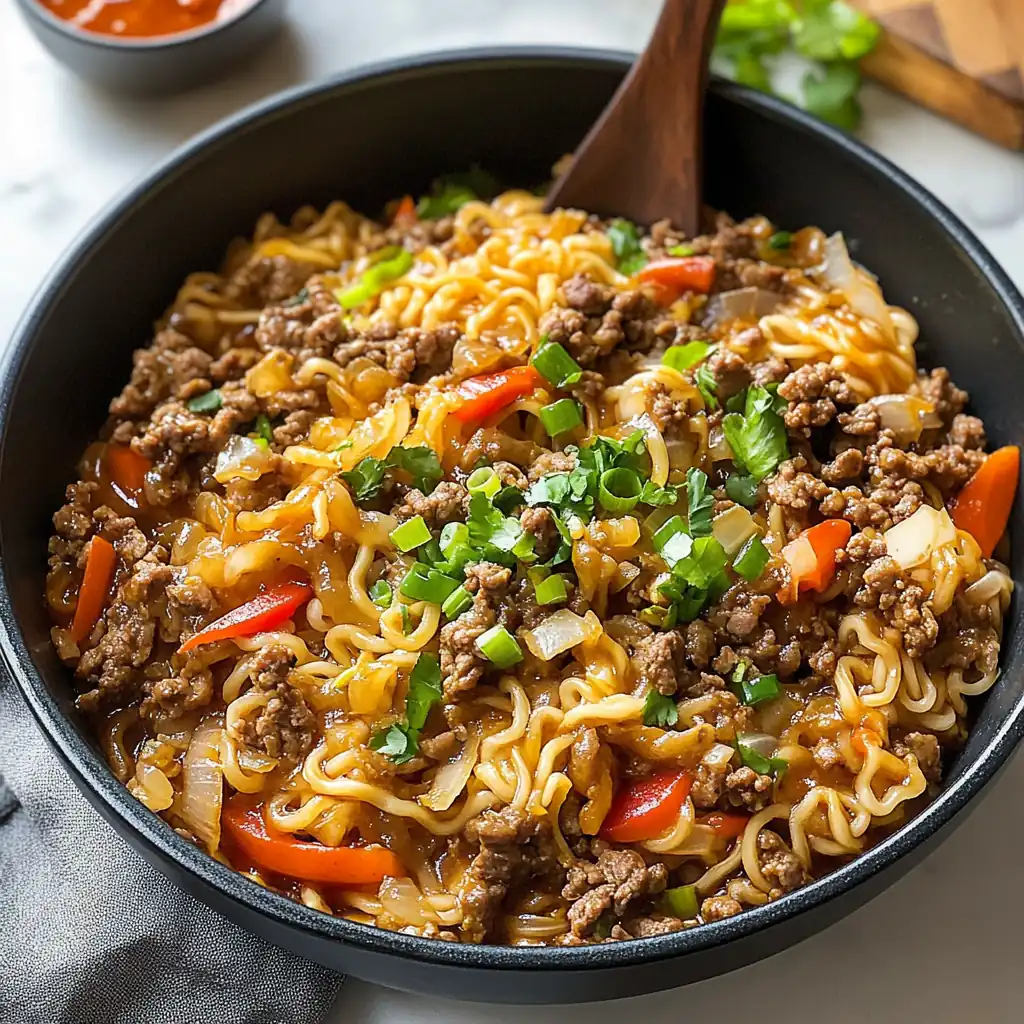
- First, get your steak out of the fridge and pat it dry with paper towels so it sears instead of steams in the pan.
- Crank up your heat and sear those beef strips in a bit of oil until they are beautifully browned on all sides, then set them aside on a plate.
- In that same pan, toss in your minced garlic and ginger, stirring them around for about a minute until your kitchen smells incredible.
- Pour in the beef broth and soy sauce, scraping up all those brown bits from the bottom of the pan—that’s where the magic is hidden!
- Let the broth simmer gently for about fifteen minutes so the flavors can really get to know each other and meld together.
- While the soup is bubbling, boil your noodles in a separate pot according to the package directions, then drain them well.
- Divide the cooked noodles into bowls, pour the hot broth over them, and nestle the seared beef back on top.
- Finish it off with a sprinkle of scallions and a drizzle of sesame oil for that final, professional touch.
Overcooking the noodles will result in a mushy texture that ruins the broth’s clarity.
Avoid boiling the beef directly in the broth, as this toughens the meat unnecessarily.
Always use a heavy-bottomed pot to prevent the soy sauce from scorching at the bottom.
Adding the sesame oil at the very end preserves its volatile aromatic compounds.
Salt the beef generously before searing to create a better crust on the meat.
Perfecting the Cooking Process |
Temperature control is the secret weapon in this kitchen. You want the beef to hit a ripping hot pan to achieve a dark brown crust, but the broth should only maintain a gentle simmer. If the broth boils too violently, the fats will emulsify too much, making the soup cloudy rather than clear and refined.
Timing your noodle boil is equally critical. Have your broth ready and waiting so the noodles go straight from the water to the soup. This prevents the noodles from sticking together and ensures they absorb the broth’s seasoning immediately upon contact.
Add Your Touch |
Have you ever wondered how a soft-boiled egg changes the entire dynamic of a bowl? Adding a marinated Ajitsuke egg adds a creamy, jammy richness that complements the saltiness of the beef broth perfectly.
For those who crave a bit more greenery, try folding in some ba bok choy during the last two minutes of simmering. A swirl of sriracha or a spoonful of chili crisp can also transform this from a comforting meal into a spicy adventure.
Storing & Reheating |
Store the broth and the cooked beef in one container and the noodles in another. Combining them for long-term storage causes the noodles to soak up all the liquid, leaving you with a porridge-like consistency.
Reheat the broth on the stove until it reaches a simmer before adding the noodles back in. Briefly microwave the beef separately to avoid overcooking it in the soup, ensuring the meat remains tender.
1Squeeze a wedge of lime into the broth to brighten the heavy beef flavors.
2Toast your sesame seeds in a dry pan for thirty seconds before garnishing.
3Use a slotted spoon to place noodles in the bowl for a neat presentation.
4Keep the beef strips thin for faster cooking and a more consistent bite.
5Whisk a teaspoon of cornstarch with water if you prefer a slightly thicker broth.
FAQ |
- ●Q: Can I use instant ramen packets for this recipe?A: Yes, you certainly can, but be sure to discard the flavor packet that comes with them. Since we are building a rich, homemade broth from scratch, the packet’s artificial salt would overwhelm the natural beef and ginger flavors we’ve worked so hard to create.
- ●Q: What is the best cut of beef for this specific ramen?A: Flank steak is ideal because it balances lean meat with enough fat to stay juicy during a quick sear. If you prefer something more luxurious, ribeye works well, though it may make the broth slightly oilier due to the higher fat content.
- ●Q: How do I prevent the noodles from getting soggy?A: The best method is to undercook your noodles minute. Because they will continue to cook and absorb liquid once they are submerged in the boiling hot broth, starting with a slightly firm texture ensures a perfect al dente finish.
- ●Q: Is there a way to make this recipe spicy?A: Absolutely. You can stir in a tablespoon of Gochujang or Sriracha directly into the simmering broth. Alternatively, topping the finished bowl with sliced fresh jalapeños or a dollop of chili garlic sauce provides a heat kick that cuts through the richness of the beef.
Amazing Beef Ramen Noodles for Delicious Comfort Food
- Total Time: 45 minutes
- Yield: 4 servings 1x
Description
A rich and savory beef-based ramen featuring seared flank steak and an aromatic ginger-soy broth. The perfect balance of comfort and gourmet flavor.
Ingredients
- 1 lb Flank Steak, thinly sliced
- 6 cups Beef Broth
- 1/4 cup Soy Sauce
- 2 tbsp Fresh Ginger, minced
- 4 cloves Garlic, minced
- 4 packs Ramen Noodles
- 2 tbsp Sesame Oil
- 2 Green Onions, sliced
Instructions
- Sear beef strips in a hot pan until browned; remove and set aside.
- Sauté garlic and ginger in the same pan for 1 minute.
- Stir in beef broth and soy sauce; simmer for 15 minutes.
- Boil ramen noodles in a separate pot and drain.
- Divide noodles into bowls and pour the hot beef broth over them.
- Top with seared beef and garnish with green onions and sesame oil.
- Prep Time: 15 minutes
- Cook Time: 30 minutes
- Category: Dinner
- Method: Stovetop
- Cuisine: Asian-Fusion